
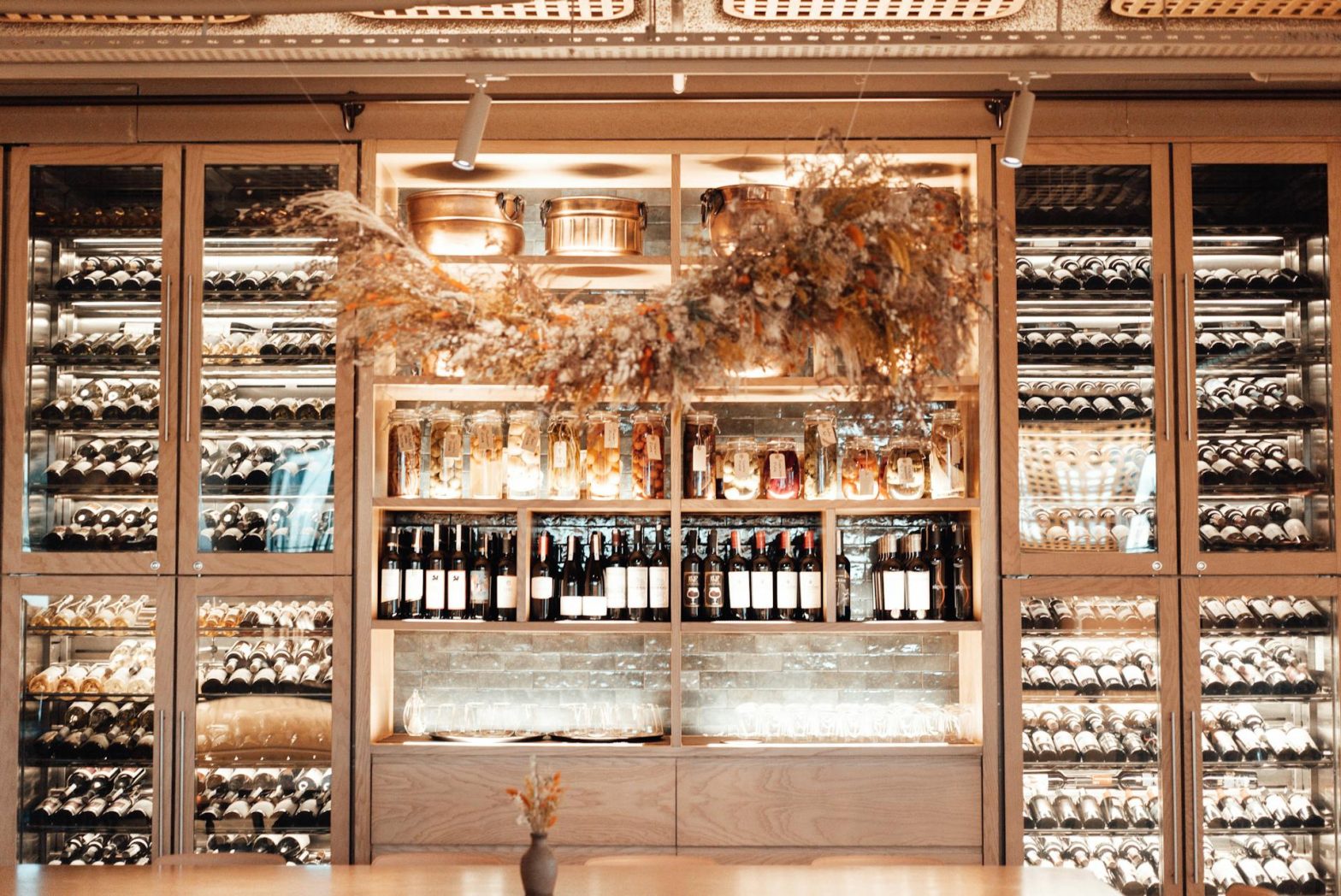
Glass-Walled Wine Rooms in Scottsdale Homes — Why They Fail Without Correct Engineering
Scottsdale luxury homes increasingly request “showcase” wine rooms: full-height glass, frameless doors, LED backlighting, stone floors, and visibility from living spaces. They sell homes — but they silently destroy wine when the build is aesthetic-first instead of engineered-first.
What fails is rarely the refrigeration equipment — it is the glass envelope and its thermal behavior in an Arizona home.
The Physics Problem (Not the Design Problem)
Glass is the worst performing surface in a wine room, yet it is the surface people expand the most. Scottsdale homes generate interior heat loads from:
West-facing glazing and reflected pool heat
HVAC dumping conditioned air into open living spaces
Large cubic volumes with airflow turbulence
Radiant gain from LEDs and adjacent rooms
When the envelope is not insulated or balanced, the cooling system is forced to run at chronic high duty cycle — shortening life and allowing micro-swings that the eye can’t see but the wine can feel.
The Three Silent Failure Modes in Glass Wine Rooms
1) Heat Gain Through the Envelope
Standard tempered glass — not Low-E, not double-pane, not thermally broken — turns the wine room into a slow-warming thermal box.
2) Air Infiltration at the Door
A frameless glass door without a gasket or drop seal leaks. Every leak forces the system to work harder for longer.
3) Dew-Point Mismanagement & Condensation
In Scottsdale humidity is low, but indoor dew point is not zero. When interior surfaces fall below dew point, moisture condenses — first on glass, then inside racking hardware.
“But the Room Feels Cold — Isn’t That Proof It Works?”
No. A room can feel cold and still be out of range or unstable. Humans sense temperature roughly; wine requires precision. The enemy is not how cold it is — it is how often and how far it swings.
Most ruined wine is ruined by fluctuation, not by absolute temperature.
How We Engineer Glass Rooms So They Don’t Fail
Properly built showpiece wine rooms use:
Insulated or dual-pane glass with correct Low-E specification
Thermal breaks on framing and anchors
Air-sealed glass doors with gaskets and drop thresholds
Vapor barrier where glass meets adjacent walls/floors
Load-matched cooling sized to envelope behavior, not room square footage
Sensor placement away from vents, doors, and lighting
Control logic tuned for stability — not speed
You don’t make glass “work” by buying a stronger chiller — you make glass work by eliminating the heat load you created with design.
If It Is Meant to Be Seen, It Must Be Engineered First
Scottsdale show homes carry wine cellars as a luxury feature — not a cooling experiment. The envelope, not the equipment, determines success.
Read Next: Protecting Your Wine From Arizona Power Surges & Grid Stress (Before It’s Too Late)